


 May 27, 2026

Our faces are the first thing people see when they meet us. We greet and are greeted through an exchange of facial expressions, and our larger interactions with the world involve emotions shown on our face.
We smile at new friends, frown when we disagree with someone, laugh when something’s funny, and cry when we’ve been hurt. This makes our faces really important to us—and to those around us… So it’s no surprise that deciding on a facial surgery is no small feat.
The likes of Lindsay Lohan, Kris Jenner, and Christina Aguilera have contributed to an influx of chatter on the innovations of facial rejuvenation and the modern age of facelifts. While we cannot confirm that these women have gone under the knife, their very presence in the limelight has people wondering: is it time to start my own surgical journey?
We can trace facelifts back to the turn of the 20th century, when a Polish doctor first started performing ‘skin-only’ tightening procedures on patient faces. These were performed, as you might imagine, with surgeons creating superficial incisions just beneath the skin and pulling out towards the ears.
This technique continued well into the 1900s and contributed to the ‘wind-swept’ look of many early facelifts. As plastic surgery advanced further, facelift results improved.
Surgeons started incorporating the facial fascia into the facelift, going beneath the skin but staying just above the facial muscles. This SMAS technique worked to relieve the pressure of a facelift by integrating more tissue, ensuring durability and natural-looking results.
Now, facelifts can go even deeper with a deep-plane technique. This strategy incorporates the underlying muscles for the most durable and permeating results. A deep-plane facelift takes longer to recover from, but it’s performed on a case-by-case basis when clients can really benefit from the depth of the procedure.
While improvements continue to be made—like reducing scarring through a short-scar facelift—a combination of SMAS and deep-plane facelifts is the MO for many plastic surgeons. The SMAS facelift endures for up to 7 years and is less invasive than the deep plane, requiring less recovery time. While deep-plane facelift results last up to 15 years and require more recovery time.
A major paradigm shift that contributed to improvements in facelift outcomes over recent years is an increased understanding of the face as it ages. While everyone’s facial composition is unique (duh), there are some universal changes that occur as we age. Most notably, our faces drop over time.
Facial structures that once appeared lifted, with a greater forehead-to-chin ratio, suddenly flatten. Essentially, younger faces are characterized by wider foreheads and narrower chins (on average), while older faces take on a more rectangular shape as skin moves down to create jowls.
Fat also decreases as we age, particularly around the eyes and cheeks, resulting in sharper lines around the brows and more pronounced cheekbones.
What this means is that reversing the signs of aging means restoring the definition of the chin and injecting fat in the areas where it has decreased.
Keeping the effects of aging in mind, we can explain why some facelifts leave patients worse off than before…
This is what we see in older examples of facelifts when the face was moved horizontally towards the ears. This left patients with a tighter look as opposed to a lifted one and only served to disrupt facial harmony.
Remember, gravity pulls the skin down; to correct this, a good surgeon moves the face up. Since the face doesn’t scrunch up towards the centre as a result of aging, stretching it out horizontally doesn’t fare well for patients.
Because facial fat decreases with age, a good facelift involves a fat transfer to help restore youthful proportions. Since the skin is being redraped over the face, this surgery can actually emphasize hollowness if the fat transfer isn’t done correctly, or at all.
On the flip side, over-filling the cheeks and periorbital area with dermal fillers creates a ‘pillowy’ appearance of the face… So balance is key. Using your own fat also protects against overfilling and creates a more natural result.
The modern facelift is the final frontier of facial rejuvenation, but that doesn’t mean it can’t benefit from some non-surgical support. Energy-based treatments, which use light and/or heat to tighten and resurface the skin, can be a great companion to a fully-healed facelift.
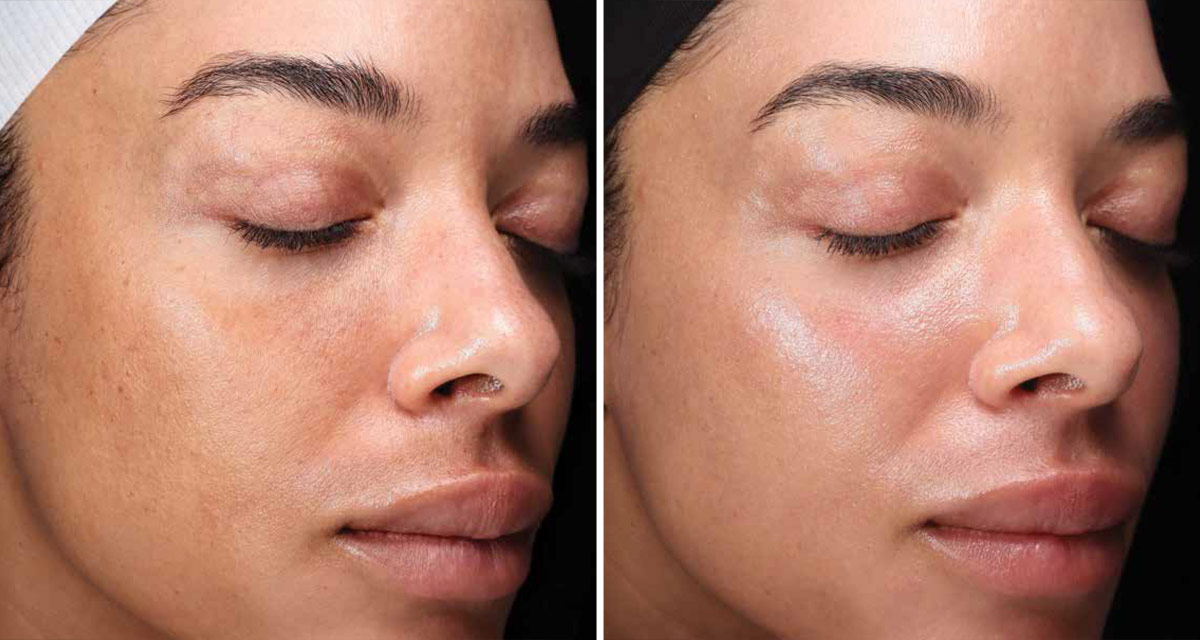
Before and After 1 HALO Tribrid treatment. Images courtesy of Sciton.
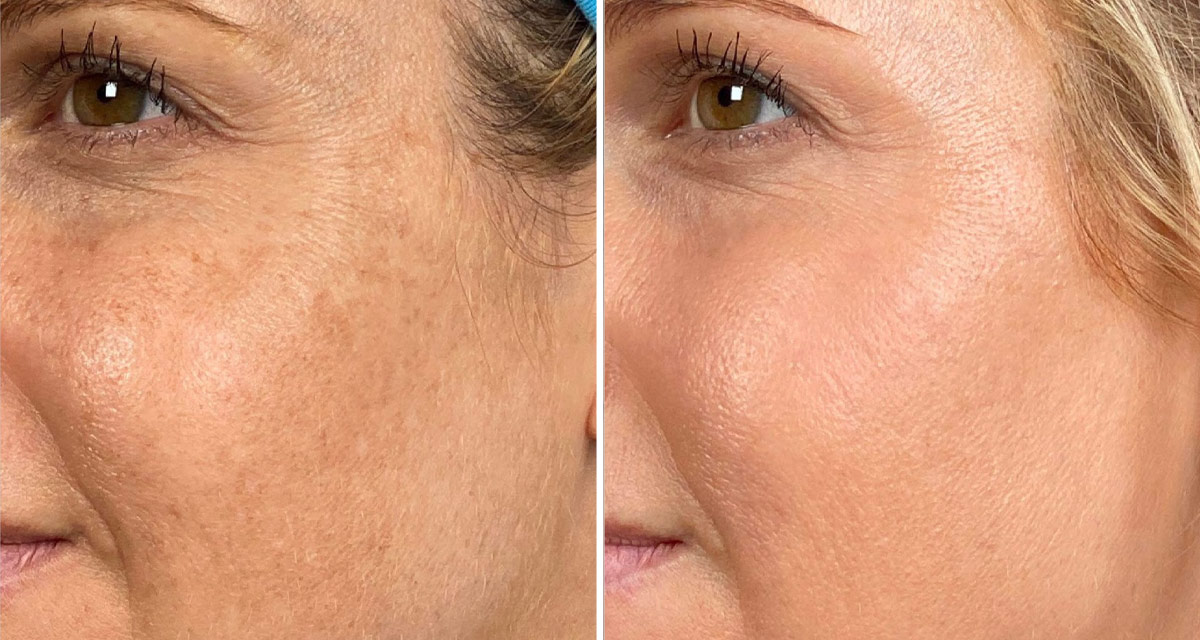
Before and After 1 HALO treatment. Images courtesy of Sciton.
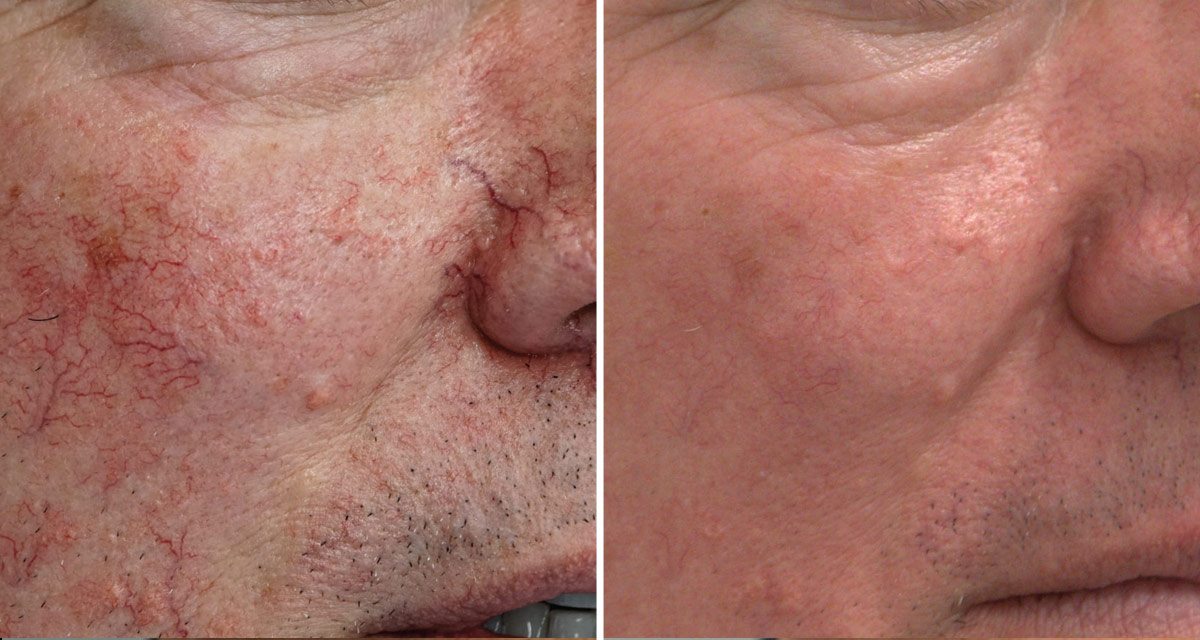
Before and After 2 BBL HEROic treatments. Images courtesy of Sciton.
Facelifts have fluctuated immensely in popularity throughout the decades, but they have existed in the surgical space for over a century. Now, we’re witnessing a surge in the conversation on facelifts, largely attributable to astounding (yet natural-looking) celebrity outcomes.
Although facelifts are a hot topic, they aren’t for everyone. Here at The Plastic Surgery Clinic, we generally don’t perform facelifts on patients under the age of 40. For younger patients with mild wrinkles and sagging, we might recommend a mini-facelift or redirect you to our non-surgical team for more options.
If you meet the minimum age requirement, or you’ve exhausted all your options for facial rejuvenation and are looking for results that can only be accomplished through surgery, then a facelift could be an option.
If you’re curious about what this operation would look like for you, you can book a complimentary consultation with one of our experienced plastic surgeons to learn more.


Did we answer all your questions? Our goal is to ensure you have the best information possible to make your decision. If you still have questions, we’re here to help.
 416.928.9494
 Email Us